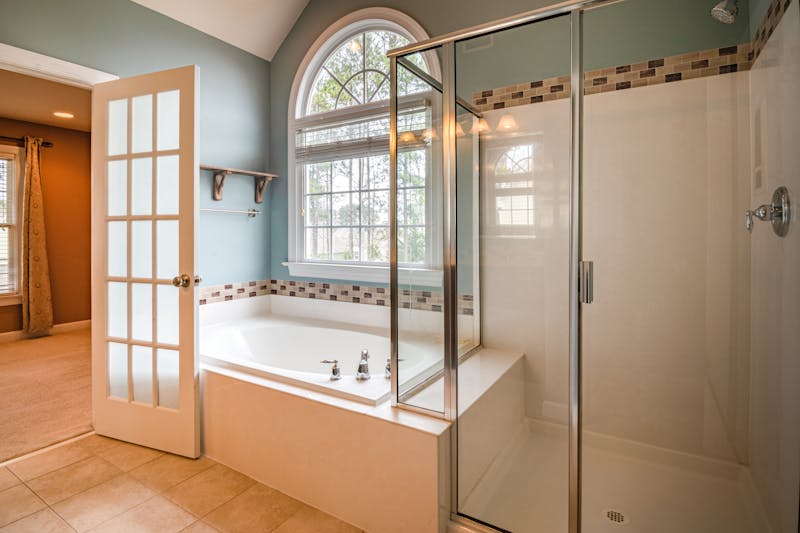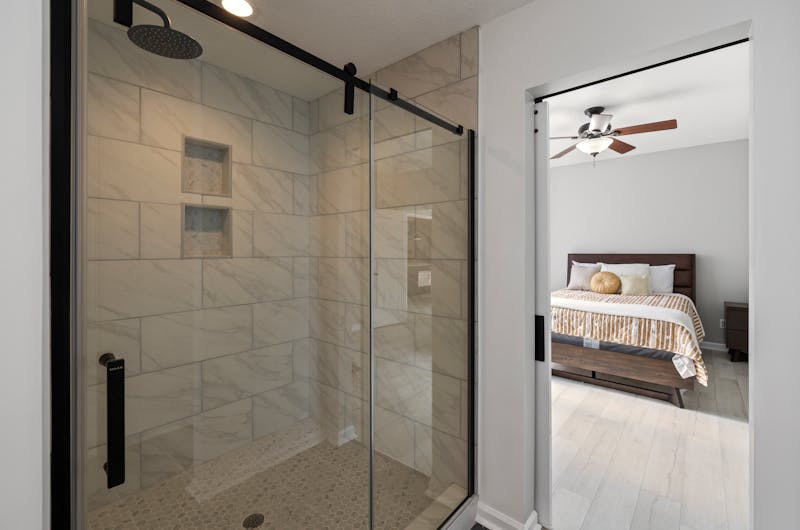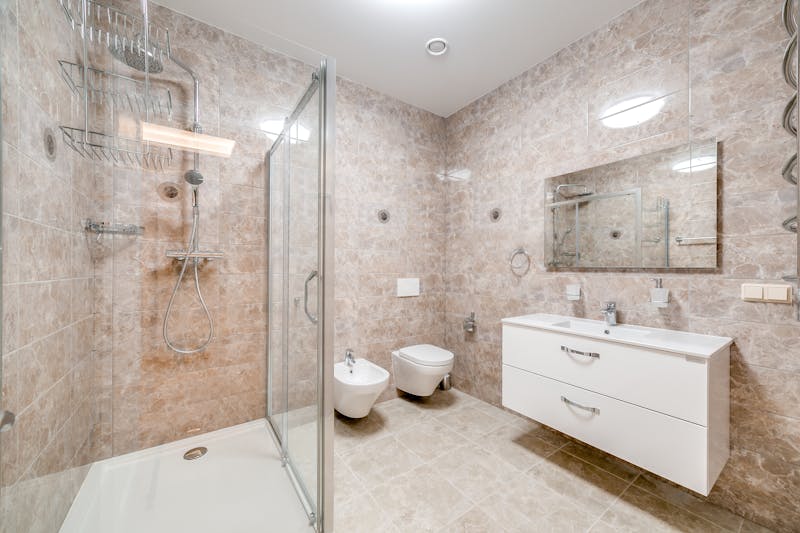
Bathtub to Shower Conversion: What You Need to Know A bathtub to shower conversion is…
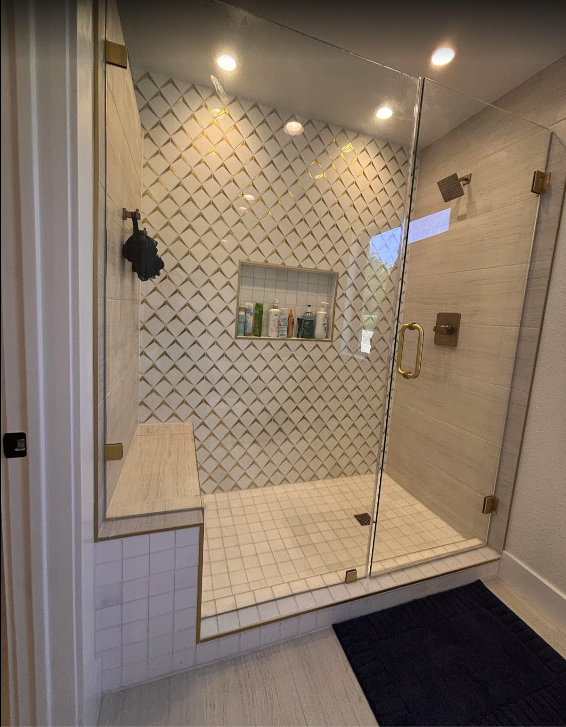
Can a Bathtub Be Converted to a Shower? A Complete Guide for Homeowners
Can a Bathtub Be Converted to a Shower?
If you’re wondering can a bathtub be converted to a shower, the answer is yes—and it’s one of the most popular upgrades in modern bathroom remodel projects.
Many homeowners are choosing a tub-to-shower conversion to improve functionality, increase accessibility, and create a more modern look. Whether your existing bathtub feels outdated or you simply want to make better use of your space, converting to a walk-in shower is a great solution.
At Sand & Sons Bathroom Remodeling, we specialize in helping homeowners transform their bathrooms with professional shower conversion services. If you’re considering an upgrade, call (737) 234-9289 for a free consultation.
 What Is a Tub to Shower Conversion?
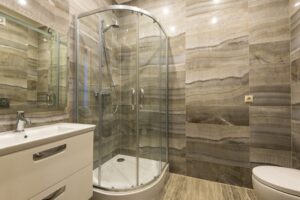
A tub-to-shower conversion involves removing your existing bathtub and replacing it with a new shower system.
This process typically includes:
- Removing the old tub
- Adjusting the existing plumbing if needed
- Installing a shower pan
- Adding new shower walls and tile
- Installing fixtures like a shower head and a shower door
The goal is to create a more functional and efficient shower space that suits your needs and lifestyle.
Benefits of Converting a Bathtub to a Shower
There are several reasons why homeowners choose a bathtub-to-shower conversion.
Increased Accessibility
A walk-in shower offers easier access, especially for:
- Older adults
- Individuals with mobility issues
- Families looking for safer bathroom options
Adding grab bars and a low-threshold entry further enhances safety.
Better Use of Space
Replacing a tub with a shower creates more usable space in your bathroom.
- Makes small bathrooms feel larger
- Opens up the shower area
- Improves overall bathroom layout
Modern Look and Style
A tile shower with sleek finishes gives your bathroom a modern and updated appearance.
- Frameless shower door options
- Clean, contemporary design elements
- Wide range of tile and style choices
Easier Maintenance
Showers are typically easier to clean than bathtubs.
- Fewer surfaces for grime buildup
- Simpler cleaning routine
- Durable materials that require less upkeep
Walk-In Shower Options and Design Choices
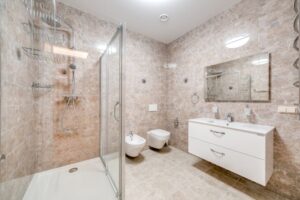
One of the biggest advantages of a shower conversion is the ability to customize your new space.
Popular Walk-In Shower Features
- Frameless glass shower door
- Built-in shelving or niches
- Rainfall showerheads
- Custom tile patterns
Design Options to Consider
- Neutral tones for a timeless look
- Bold tile for added style
- Minimalist layouts for a modern feel
At Sand & Sons Bathroom Remodeling, we help homeowners choose the best design preferences to match their space and lifestyle. Call (737) 234-9289 to explore your options.
 Step-by-Step Shower Conversion Process
Understanding the entire process helps you plan your project more effectively.
1. Planning and Design
- Evaluate your existing bathtub and layout
- Choose materials, fixtures, and design elements
2. Removal of the Bathtub
- Safely remove the old tub
- Inspect for water damage or plumbing issues
3. Plumbing Adjustments
- Modify pipes and drain if needed
- Ensure proper water flow and drainage
4. Installation of Shower Base
- Install the shower pan
- Prepare the floor for tile or other materials
5. Wall and Tile Installation
- Install shower walls
- Add tile for a finished look
6. Fixture Installation
- Install the shower head, controls, and accessories
7. Finishing Touches
- Add a glass shower door
- Complete sealing and final adjustments
Depending on the complexity, the process can take anywhere from a few days to a week.
Cost of Tub to Shower Conversion
The cost of a tub-to-shower conversion varies based on several factors:
Key Cost Factors
- Size of the shower space
- Materials used (tile, fixtures, etc.)
- Plumbing modifications
- Labor costs
Basic conversions using a conversion kit may be more affordable, while custom tile showers with premium features will cost more.
For an accurate estimate, call (737) 234-9289 to speak with the team at Sand & Sons Bathroom Remodeling.
Design Features and Modern Upgrades
Modern shower conversion projects often include advanced features that enhance comfort and convenience.
Popular Upgrades
- Rainfall showerheads
- Built-in seating
- Smart shower controls
- Custom tile designs
These additional features not only improve functionality but also elevate the overall design of your bathroom.
Common Challenges and What to Expect
While a tub to shower conversion is a great upgrade, there are some challenges to consider:
- Adjusting existing plumbing
- Ensuring proper drainage
- Addressing hidden issues like water damage
Working with experienced professionals ensures a smooth installation and a professional finish.
Is a Tub to Shower Conversion Right for Your Home?
A bathtub to a shower conversion is ideal if:
- You rarely use your bathtub
- You want a more modern, updated space
- You need improved accessibility
- You want to maximize space in your bathroom
However, if your home only has one bath, it’s worth considering whether removing the tub could impact resale value.
Additional Insights: Cost, ROI, Design, and Maintenance for Tub to Shower Conversions
When considering can a bathtub be converted to a shower, it’s important to go beyond the basics and understand the long-term value, costs, and practical considerations. A tub to shower conversion can transform your bathroom, but making the right decisions during planning and installation is key to getting the best results.
Below are deeper insights to help homeowners make informed decisions about their shower conversion.
Cost Breakdown: What to Expect for a Tub to Shower Conversion
The cost of a tub-to-shower conversion can vary widely depending on the scope of the project.
Typical Cost Range
- Basic conversions: A few hundred dollars (using simple kits)
- Mid-range projects: $3,000 – $8,000
- High-end custom conversions: Up to $15,000 or more
What Affects the Cost?
- Size of the shower space
- Materials (tile, acrylic, natural stone)
- Labor costs
- Plumbing adjustments
One of the biggest cost drivers is plumbing.
Plumbing Considerations
- Keeping the existing plumbing in place helps control costs
- Relocating pipes or the drain can significantly increase expenses
- Permits may be required for plumbing changes
Because of this, many homeowners choose to keep the new shower in the same location as the old tub.
 Timeline: How Long Does the Conversion Take?
A typical bathtub-to-shower conversion takes about 7 to 10 days, depending on complexity.
Project Timeline Includes:
- Demolition of the existing bathtub
- Plumbing adjustments and inspection
- Installation of the shower pan and walls
- Tile work and finishing touches
While some companies advertise faster installations, high-quality work requires proper planning, waterproofing, and finishing.
At Sand & Sons Bathroom Remodeling, we focus on delivering a professional finish without cutting corners. Call (737) 234-9289 to discuss your project timeline.
ROI: Does a Tub to Shower Conversion Add Value?
A common concern for homeowners is whether removing a tub will impact home value.
Return on Investment
- Average ROI for mid-range conversions: 60% to 66.7%
- Strong appeal to modern buyers
- Increased accessibility and usability
Important Consideration
It’s generally recommended to keep at least one bathtub in your home—especially if you only have one bathroom. Removing all tubs could reduce appeal for families with children or certain buyers.
A well-planned bathroom remodel that includes a shower conversion can still significantly improve resale value, especially in homes with multiple bathrooms.
Water Efficiency and Utility Savings
One major advantage of converting a tub to a shower is improved water efficiency.
Why Showers Save Water
- Filling a bathtub can use up to 50 gallons of water
- Efficient showerheads use significantly less water
In fact, modern showers can save hundreds of dollars annually on utility bills compared to regular bathtub use.
Austin Water Efficiency Standards
- Showerheads must have a flow rate of 2.0 gallons per minute (gpm) or less
This makes showers not only more convenient but also more environmentally friendly.
Plumbing and Drainage Requirements
When converting a tub to a shower, plumbing plays a critical role.
Key Differences
- Bathtubs typically use a 1.5-inch drain
- Showers require a 2-inch drain to handle water volume
Upgrading the drain is often necessary to ensure proper performance and prevent drainage issues.
Before starting the conversion process, it’s essential to assess:
- Existing pipes
- Drain placement
- Water pressure
This step helps avoid unexpected complications during installation.
Design Options: Maximizing Space and Functionality
A tub to shower conversion offers a wide range of design possibilities.
Space Optimization Ideas
- Curbless showers for seamless entry
- Corner showers for smaller bathrooms
- Wet room designs for modern layouts
Replacing a bulky bathtub with a walk-in shower can make your bathroom feel larger and more open.
Shower Base and Wall Options
- Precast bases (fiberglass or acrylic)
- Custom tile showers
- Grout-free wall panels
Each option offers different benefits in terms of cost, maintenance, and style.
Accessibility and Safety Benefits
One of the biggest advantages of a walk-in shower is improved accessibility.
Key Benefits
- Easier entry and exit
- Reduced risk of slips and falls
- Better suited for aging in place
Safety Features to Consider
- Grab bars for support
- Built-in seating
- Non-slip flooring
A curbless shower design is especially beneficial for individuals with mobility challenges, as it eliminates trip hazards.
Modern Features and Technology
Today’s shower conversion projects often include advanced features that enhance comfort and convenience.
Popular Upgrades
- Rainfall showerheads
- Digital temperature controls
- Smart shower systems
- Built-in storage niches
These features can transform your new shower into a luxury experience while improving daily usability.
Choosing the Right Materials for Longevity
Material selection is crucial for both durability and maintenance.
Popular Material Options
- Large-format porcelain tiles for a modern look
- Acrylic wall systems for low maintenance
- Natural stone for high-end designs
Benefits of Modern Materials
- Easier to clean
- More resistant to mold and mildew
- Longer lifespan
Grout-free acrylic walls, for example, are much easier to maintain than traditional tile with multiple grout lines.
Waterproofing: The Most Critical Step
Proper waterproofing is essential in any shower conversion.
Why It Matters
- Prevents water damage
- Protects walls and flooring
- Extends the life of your bathroom
This step typically involves:
- Installing water-resistant membranes
- Sealing joints and seams
- Using moisture-resistant materials
Skipping or rushing this step can lead to costly repairs down the line.
Maintenance Tips for Your New Shower
Keeping your new shower in good condition requires regular care.
Cleaning Best Practices
- Use non-abrasive cleaners
- Avoid harsh chemicals like bleach or vinegar on tile
- Clean regularly to prevent mold and mildew
Routine Inspections
- Check grout lines and silicone seals
- Replace worn materials as needed
- Seal natural stone annually
Proper maintenance helps preserve the appearance and functionality of your shower.
Planning Your Conversion the Right Way
A successful bathtub-to-shower conversion starts with careful planning.
Key Planning Steps
- Assess your current bathroom layout
- Evaluate plumbing and drainage
- Choose materials and design elements
- Set a realistic budget
Planning helps avoid delays, unexpected costs, and design issues.
Final Thoughts: Is a Tub to Shower Conversion Worth It?
So, can a bathtub be converted to a shower? Absolutely—and for many homeowners, it’s one of the most practical and valuable upgrades.
Why It’s Worth Considering
- Improves accessibility and safety
- Enhances modern design and functionality
- Saves water and reduces utility costs
- Increases overall home appeal
When done correctly, a tub to shower conversion can transform your bathroom into a more efficient, comfortable, and stylish space.
If you’re ready to upgrade your bathroom, Sand & Sons Bathroom Remodeling is here to help. Call (737) 234-9289 to schedule your free consultation and start planning your new shower today.
Get a Free Consultation from Sand & Sons Bathroom Remodeling
If you’re ready to upgrade your bathroom, a tub-to-shower conversion can completely transform your space.
At Sand & Sons Bathroom Remodeling, we provide:
- Expert design guidance
- Professional installation
- High-quality materials
- Transparent pricing
Call (737) 234-9289 today to schedule your free consultation.
Let us help you create a modern, functional shower that fits your needs and enhances your home.
FAQs About Bathtub to Shower Conversion
Can any bathtub be converted into a shower?
Yes, most bathtubs can be converted, provided the plumbing and space allow for it.
How long does a tub-to-shower conversion take?
Most projects take a few days to a week, depending on complexity.
Is a walk-in shower better than a bathtub?
It depends on your needs, but many homeowners prefer walk-in showers for convenience and accessibility.
Does converting a tub to a shower increase home value?
Yes, especially in modern homes where buyers prefer updated bathrooms.
Do I need to change plumbing for a conversion?
In many cases, minor plumbing adjustments are needed, but the existing plumbing can often be reused.
Related Posts