
Bathtub Tiles: What You Need to Know Choosing the right bathtub tiles can completely transform…
Clean Grout: The Complete Guide to Removing Stubborn Stains and Restoring Tile
Clean Grout: Why It Gets Dirty
Learning how to clean grout is essential for maintaining the appearance and hygiene of your bathroom and tile surfaces. Over time, grout becomes discolored due to dirt, moisture, and everyday use.
Unlike tile, grout is porous, which means it absorbs water, grime, and bacteria. This makes it more prone to stubborn stains, mildew, and mold buildup—especially in high-moisture areas like showers and floors.
If your grout looks dull or dark, don’t worry. With the right methods, you can restore it to a fresh, clean condition.
If your tile and grout need professional attention, Sand & Sons Bathroom Remodeling can help. Call (737) 234-9289 for expert assistance.
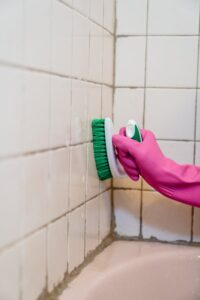 What Causes Dirty Grout and Stains
Before you start cleaning, it’s important to understand why grout gets dirty.
Common Causes
- Foot traffic brings in dirt and debris
- Soap scum and residue buildup
- Moisture leading to mold and mildew
- Lack of regular maintenance
Problem Areas
- Shower walls and floors
- Bathroom floors near the toilet
- Kitchen backsplashes
Over time, these factors lead to dirty grout that requires deeper cleaning techniques.
Best Methods to Clean Grout Effectively
There are several effective ways to clean grout, depending on how severe the stains are.
Basic Cleaning Method
- Mix warm water with a mild cleaner
- Apply to the grout surface
- Scrub with a brush or toothbrush
- Rinse with clean water
This method works well for light dirt and regular upkeep.
Using Baking Soda and Hydrogen Peroxide
One of the most popular DIY solutions for cleaning grout involves baking soda and hydrogen peroxide.
How to Make the Paste
- Mix baking soda with a small amount of hydrogen peroxide
- Add a drop of Dawn dish soap for extra cleaning power
Application Steps
- Apply the paste to grout lines
- Let it sit for 10–15 minutes
- Scrub using a toothbrush or brush
- Rinse with warm water
This method is effective for removing stubborn stains without harsh chemicals.
 Oxygen Bleach vs Chlorine Bleach
When dealing with deeper stains, bleach-based cleaners may be necessary.
Oxygen Bleach
- Safer and less harsh
- Releases oxygen to break down dirt
- Works well on unsealed grout
Chlorine Bleach
- Stronger and more aggressive
- Effective for mold and mildew
- Can produce toxic fumes if misused
Which Should You Use?
For most situations, oxygen bleach is the safer and more effective choice.
Commercial Grout Cleaner Options
If DIY methods aren’t enough, consider using a professional grout cleaner.
What to Look For
- Safe for your tile type (ceramic, marble, etc.)
- Effective on very stubborn stains
- Non-toxic or low-odor formulas
Popular Choices
- Oxi Clean products
- Specialized tile and grout cleaners
Always follow the manufacturer’s instructions to avoid damage.
How to Handle Very Stubborn Stains
Some stains require extra effort and stronger techniques.
Deep Cleaning Steps
- Apply a strong cleaning solution
- Let it sit longer (20–30 minutes)
- Use elbow grease to scrub thoroughly
- Repeat if necessary
Additional Tips
- Use a stiff brush for better results
- Avoid damaging the grout with excessive force
Persistent stains may require professional cleaning or re-grouting.
Cleaning Grout in Showers and Bathrooms
Bathrooms are one of the most challenging areas to keep grout clean.
Common Issues
- Mold and mildew
- Soap scum buildup
- Hard water stains
Cleaning Tips
- Use a squeegee after each shower
- Clean regularly to prevent buildup
- Use vinegar for mild cleaning (avoid on marble)
Keeping your bathroom dry and clean reduces the need for deep cleaning.
Tools and Techniques for Deep Cleaning
Using the right tools makes a big difference when cleaning grout.
Recommended Tools
- Toothbrush or grout brush
- Mop for floors
- Spray bottles for solutions
- Steam cleaners for deep cleaning
Effective Techniques
- Scrubbing in circular motions
- Applying thin layers of cleaning paste
- Letting solutions sit before scrubbing
These methods help break down dirt and grime more effectively.
How to Seal the Grout for Long-Term Protection
Once your grout is clean, it’s important to seal the grout to prevent future stains.
Benefits of Sealing
- Protects against moisture and dirt
- Reduces mold and mildew growth
- Extends the life of your grout
How to Apply Sealer
- Ensure grout is clean and dry
- Apply a thin layer of sealer
- Allow it to dry completely
Sealing is especially important for unsealed grout.
Maintenance Tips to Keep Grout Clean
Regular maintenance is key to keeping grout looking new.
Simple Habits
- Wipe surfaces after use
- Clean spills immediately
- Mop floors regularly
Preventive Measures
- Use a squeegee in the shower
- Avoid harsh chemicals
- Reapply sealer periodically
These steps help maintain clean grout in the long run.
When to Re-Grout or Replace Old Grout
Sometimes cleaning isn’t enough, especially for old grout.
Signs You Need to Re-Grout
- Cracked or damaged grout
- Deep stains that won’t come out
- Mold growth that keeps returning
Re-Grouting Process
- Remove old grout
- Apply new grout
- Seal the surface
If your grout is beyond repair, professional help may be needed.
Deep Dive Guide: Advanced Techniques, Long-Term Care, and Expert Tips to Clean Grout
Keeping your grout clean goes beyond occasional scrubbing—it requires understanding how grout behaves, why it gets dirty, and how to maintain it over time. This extended guide expands on everything you need to know about clean grout, from tackling stubborn stains to preventing future buildup in your bathroom, shower, and floor tile areas.
Why Grout Requires Special Attention
Unlike smooth tile surfaces, grout is made from a cement-based material that is naturally porous. This means it absorbs moisture, dirt, and bacteria more easily than tile.
What Happens Over Time
- Dirt settles deep into the pores
- Moisture creates the perfect environment for mold and mildew
- Soap residue builds up on the grout surface
- Discoloration turns grout from light to dark
Even in a clean house, grout can appear dirty due to constant exposure to water and foot traffic.
That’s why learning how to properly clean grout is essential—not just for appearance, but also for hygiene.
The Science Behind Stubborn Grout Stains
Some stains are harder to remove than others because they penetrate deeply into the grout.
Types of Stains
- Surface-level dirt and grime
- Hard water buildup from minerals
- Mold and mildew from excess moisture
- Soap scum that forms a sticky layer
Why Stains Become “Very Stubborn”
- Grout absorbs contaminants over time
- Lack of sealing allows deeper penetration
- Improper cleaning techniques spread grime instead of removing it
Understanding this helps you choose the right technique and cleaning solution.
Advanced Cleaning Methods for Dirty Grout
While basic cleaning works for light dirt, deeper stains require more targeted methods.
Step-by-Step Deep Cleaning Process
- Start with hot water or warm water to loosen dirt
- Apply a cleaning paste or solution
- Let it sit to break down the buildup
- Scrub thoroughly using a toothbrush or grout brush
- Rinse and repeat if needed
This layered approach ensures that dirt is lifted from the grout rather than just spread around.
DIY Cleaning Power: Baking Soda and Hydrogen Peroxide
One of the most effective and widely used methods involves baking soda and hydrogen peroxide.
Why This Works
- Baking soda acts as a gentle abrasive
- Hydrogen peroxide helps dissolve stains and disinfect
- Together, they create a powerful cleaning paste
How to Use It Effectively
- Mix into a thick paste
- Apply a thin layer over grout lines
- Let it sit for at least 10–15 minutes
- Scrub with steady pressure
- Rinse thoroughly
Adding a small amount of Dawn dish soap enhances grease-cutting power, making it effective on almost everything from grime to soap residue.
Oxygen Bleach vs Chlorine Bleach: What You Need to Know
Bleach can be helpful, but choosing the right type is critical.
Oxygen Bleach (Recommended)
- Safer for most surfaces
- Breaks down dirt using oxygen bubbles
- Works well on unsealed grout
- Less risk of harmful fumes
Chlorine Bleach
- Stronger but more aggressive
- Effective for heavy mold and mildew
- Can release toxic fumes if mixed improperly
Best Practice
Use oxygen bleach whenever possible for safer and more consistent results.
Commercial Grout Cleaners: When DIY Isn’t Enough
For deeper cleaning, a specialized grout cleaner may be necessary.
What Makes a Good Cleaner
- Safe for ceramic tile, marble, or other materials
- Designed for very stubborn stains
- Non-acidic if used on sensitive surfaces
Popular Options
- Oxi Clean products
- Professional-grade cleaners
Always test on a small area before full application to avoid damaging the tile or grout.
Tackling Extremely Stubborn Stains
Some grout stains require more aggressive methods.
Deep Cleaning Strategy
- Apply a strong solution
- Let it sit for 20–30 minutes
- Use firm scrubbing with a stiff brush
- Repeat multiple times if necessary
Pro Tips
- Avoid excessive force that may damage grout
- Use controlled pressure for better results
If stains persist, it may be time to consider re-grouting or professional cleaning.
Cleaning Grout in High-Moisture Areas
Bathrooms and showers present unique challenges.
Common Problem Areas
- Shower walls and floors
- Areas near the toilet
- Corners where water collects
Why These Areas Are Harder to Clean
- Constant exposure to moisture
- Soap scum buildup
- Limited airflow
Prevention Tips
- Use a squeegee after each shower
- Keep surfaces dry
- Clean regularly to prevent buildup
This reduces the need for time-consuming deep cleaning.
Tools That Make Grout Cleaning Easier
Using the right tools can make a huge difference.
Essential Cleaning Tools
- Toothbrush or grout brush for precision
- Spray bottles for easy application
- Mop for large floor areas
- Steam cleaners for deep penetration
Why Tools Matter
- Improve cleaning efficiency
- Reduce effort and elbow grease
- Deliver better results
Steam Cleaning: A Powerful Alternative
Steam cleaning is one of the most effective ways to clean grout without chemicals.
Benefits of Steam Cleaning
- Uses high heat to break down grime
- Kills bacteria and mold
- Reaches deep into grout pores
This method is especially useful for sensitive surfaces like marble or natural stone.
How to Seal the Grout for Protection
Once your grout is clean, sealing it is essential.
Why You Should Seal the Grout
- Prevents dirt and moisture from penetrating
- Reduces mold and mildew growth
- Makes future cleaning easier
How to Apply Sealer
- Ensure grout is clean and dry
- Apply a thin layer evenly
- Allow it to dry completely
This step is critical for maintaining clean grout in the long run.
Long-Term Maintenance Strategies
Keeping grout clean requires consistent care.
Daily Habits
- Wipe down surfaces after use
- Remove water from walls and glass
- Spot clean spills immediately
Weekly Maintenance
- Mop floors with a mild cleaner
- Clean grout lines lightly
Monthly Deep Cleaning
- Use a baking soda paste or grout cleaner
- Inspect for damage or buildup
These habits prevent dirty grout and extend its lifespan.
When Cleaning Isn’t Enough: Re-Grouting
Sometimes, cleaning alone won’t restore grout.
Signs You Need to Re-Grout
- Cracks in the grout
- Deep, permanent stains
- Persistent mold growth
Re-Grouting Process
- Remove old grout
- Apply new grout
- Seal the surface
This restores both the appearance and functionality of your tile.
Protecting Different Tile Types
Not all tiles are the same, so cleaning methods should vary.
Ceramic Tile
- Durable and easy to clean
- Works with most cleaners
Marble and Natural Stone
- Avoid acidic cleaners like vinegar
- Use gentle, non-abrasive products
Glazed Tile
- Easier to clean due to the protective surface
Always match your cleaning method to your tile type to avoid damage.
Final Thoughts: Keeping Grout Clean for Years
Maintaining clean grout doesn’t have to be overwhelming—it just requires the right approach and consistency.
Key Takeaways
- Grout is porous and requires regular care
- Use baking soda and hydrogen peroxide for effective cleaning
- Choose oxygen bleach over chlorine bleach
- Seal grout to prevent future stains
- Maintain a consistent cleaning routine
With the right techniques and tools, you can keep your grout looking fresh and your bathroom feeling clean and inviting.
Get Professional Help from Sand & Sons Bathroom Remodeling
If your grout is heavily stained or your tile needs restoration, professional help can save time and effort.
At Sand & Sons Bathroom Remodeling, we offer:
- Expert tile and grout cleaning
- Bathroom remodeling services
- High-quality craftsmanship
- Reliable and honest service
Call (737) 234-9289 today to schedule your free consultation.
Let us help you restore your bathroom and keep your grout looking clean and fresh for years to come.
FAQs About Cleaning Grout
What is the best way to clean grout?
A mixture of baking soda and hydrogen peroxide is highly effective for most stains.
Can vinegar damage grout?
Vinegar can damage certain surfaces like marble, so use it carefully.
How often should grout be cleaned?
Regular cleaning should be done weekly, with deep cleaning as needed.
Is bleach safe for grout?
Oxygen bleach is safer than chlorine bleach for most applications.
How long does grout last?
With proper care, grout can last many years.
Related Posts