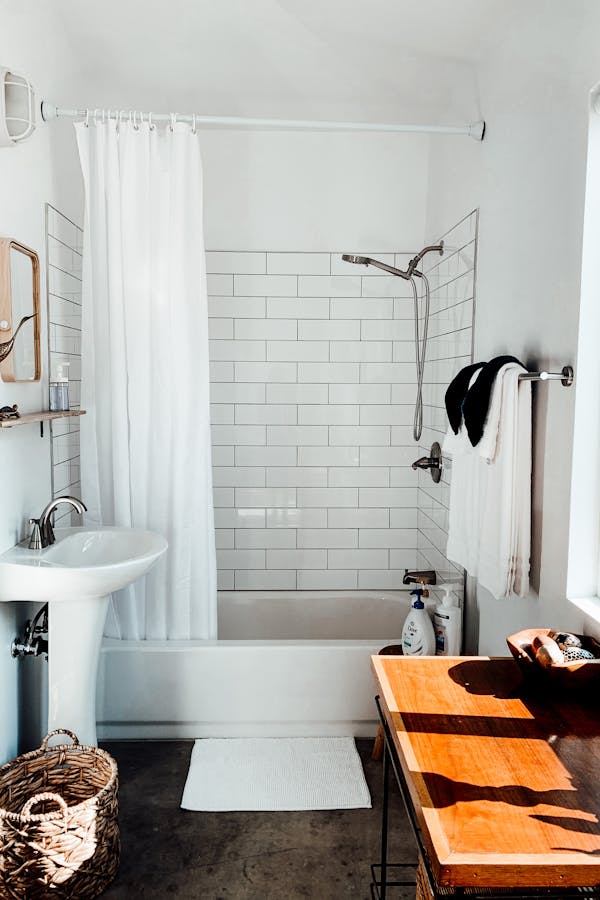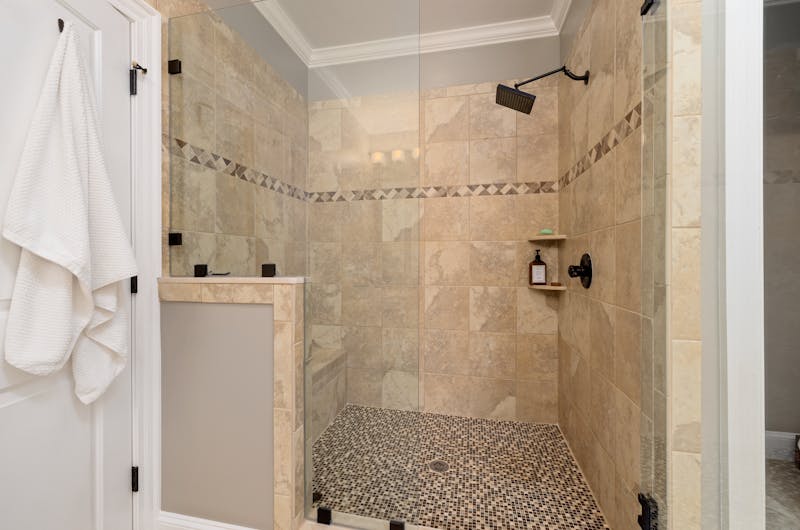
Bathroom Redo Ideas: Where to Start Exploring bathroom redo ideas is one of the best…
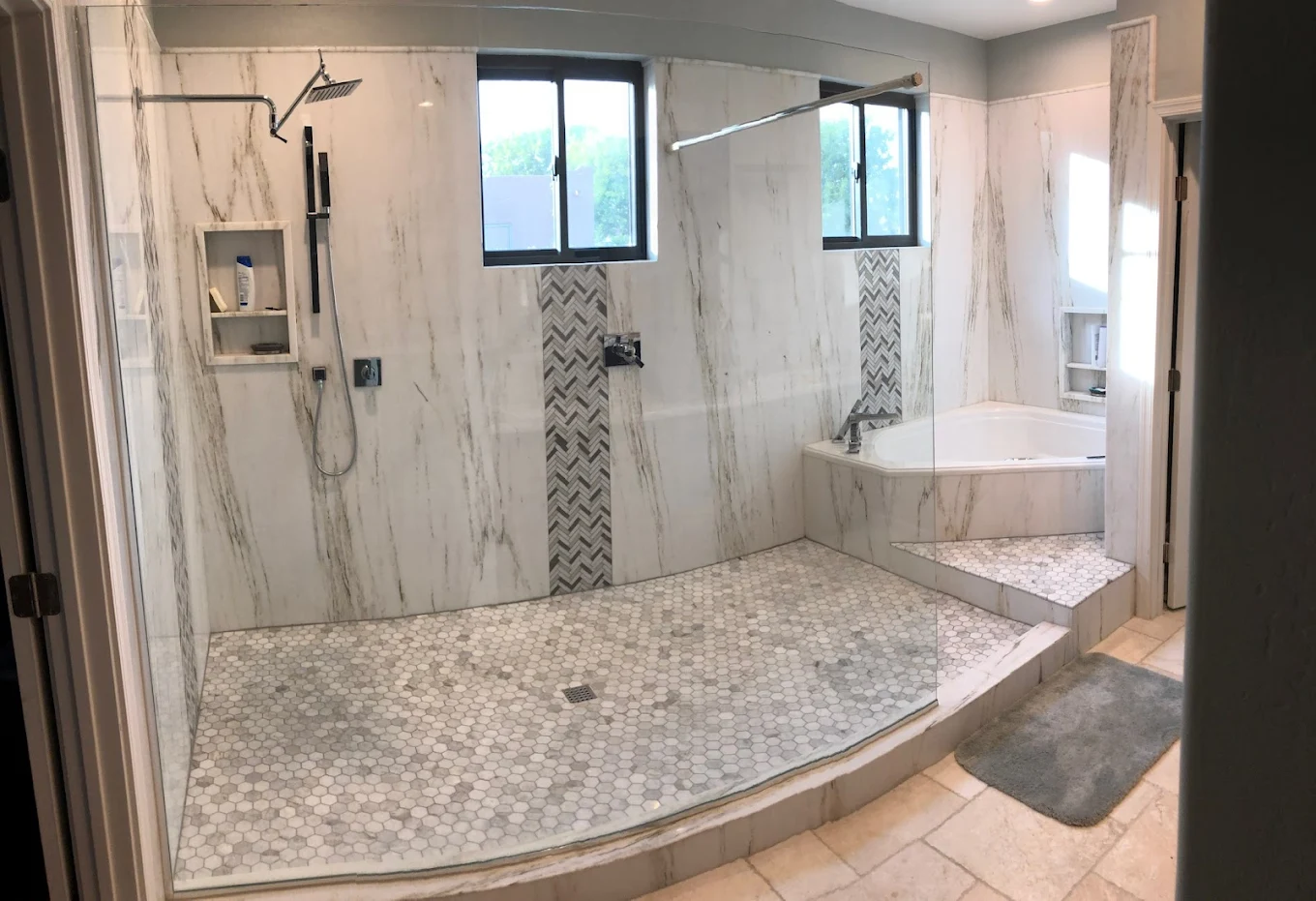
14 Step-by-Step Bathroom Remodel Checklist for a Successful Upgrade
Planning a bathroom renovation can feel overwhelming. There are dozens of decisions to make, from layout and materials to lighting fixtures and plumbing upgrades. Without careful planning, small oversights can turn into expensive mistakes.
A clear bathroom renovation checklist helps you stay organized, protect your budget, and create the new space you truly want.
Whether you are updating a powder room or planning a full remodel, this guide walks you through each step of the process so you can move forward with confidence.
 Step 1: Evaluate Your Current Bathroom
Before you start picking tile or paint colors, take a close look at your current bathroom.
Ask yourself:
- What works well in this space?
- What feels outdated or inefficient?
- Is there enough storage space?
- Does the bathroom layout feel cramped?
- Are old fixtures or plumbing causing issues?
Understanding what needs improvement helps shape your design plan and prevents unnecessary changes.
Step 2: Define Your Goals for the New Space
Every successful remodel starts with a clear vision.
Are you:
- Creating a dream bathroom?
- Improving resale value?
- Fixing structural problems?
- Upgrading outdated materials?
- Adding more storage?
Your goals influence your budget, material selection, and overall layout decisions.
Step 3: Set a Realistic Budget
One of the most important parts of any bathroom remodel checklist is financial planning.
Start by:
- Researching the average renovation cost in your area
- Setting a realistic budget
- Adding a buffer for unexpected expenses
Unexpected expenses can include plumbing issues, structural changes, or hidden water damage behind walls.
A strong budget plan keeps your project on track and reduces stress during construction.
Step 4: Review the Existing Layout
Your bathroom layout plays a major role in cost and functionality.
Consider:
- Does the existing layout work well?
- Would a new layout create better flow?
- Are plumbing changes necessary?
Keeping plumbing in the same location can save money. Rerouting plumbing increases cost and construction time.
For small spaces, thoughtful layout adjustments can create more access and improve the overall room feel.
 Step 5: Develop a Design Plan
Your design plan should include both aesthetics and functionality.
Think about:
- Color palette
- Flooring style
- Tile floor pattern
- Vanity and cabinets
- Shower door or curtains
- Mirrors and accent lighting
Avoid choosing expensive finishes before finalizing your layout. Materials should support both your budget and long-term durability.
Careful planning during this stage prevents last-minute changes later.
Step 6: Choose Materials Wisely
Material selection affects both cost and longevity.
Consider:
- Moisture-resistant materials for wet areas
- Durable tile for the shower and floor
- Quality faucets and fixtures
- Storage solutions that maximize space
Popular upgrades include:
- Stone countertops
- Custom cabinets
- Built-in shelves
- Accent lighting
Balance style with practicality to ensure your renovation stands the test of time.
Step 7: Plan for Proper Ventilation
Proper ventilation is often overlooked during bathroom renovation projects.
Without it, moisture buildup can lead to mold and long-term damage.
Make sure your checklist includes:
- Updated exhaust fan
- Window ventilation if available
- Moisture-resistant paint
Proper ventilation protects your walls, flooring, and cabinets from unnecessary wear.
Step 8: Address Lighting Early
Lighting plays a critical role in both style and function.
Your bathroom remodel checklist should include:
- New lighting fixtures
- Task lighting near mirrors
- Accent lighting for ambiance
- Energy-efficient upgrades
Layered lighting helps create a comfortable and functional space.
Step 9: Confirm Local Building Codes and Permits
Before construction begins, confirm whether permits are required.
Local building codes may apply if:
- Plumbing is being modified
- Electrical work is involved
- Structural changes are planned
Working with experienced contractors ensures your renovation complies with regulations and avoids delays.
Step 10: Select the Right Contractor
A successful remodel depends heavily on the team handling the project.
When evaluating contractors:
- Review past projects
- Ask about timelines
- Discuss communication expectations
- Confirm they understand your design plan
Strong communication throughout the renovation helps ensure expectations are met.
 Step 11: Create a Construction Schedule
Once materials are selected and permits are secured, build a schedule.
Your timeline should include:
- Demolition
- Plumbing and electrical work
- Installing fixtures and tile
- Final inspections
Knowing what to expect each week helps you prepare for temporary disruptions.
Step 12: Plan for Storage and Functionality
Storage is often underestimated during renovation.
Make sure your checklist includes:
- Enough storage space for daily use
- Shelves or cabinets for towels
- Towel racks are placed strategically
- Vanity drawers for small items
A bathroom should not only look good. It should function smoothly for everyday life.
Step 13: Prepare for the Unexpected
Even with careful planning, surprises can happen.
Common unexpected expenses include:
- Hidden water damage
- Outdated plumbing
- Structural reinforcement needs
Setting aside contingency funds protects your total budget.
Step 14: Final Walkthrough and Quality Check
Before completing the project, conduct a thorough review.
Check:
- Fixtures are installed correctly
- Doors open properly
- Tile and paint are finished cleanly
- Lighting functions as planned
- Plumbing connections are secure
A final inspection ensures your bathroom renovation meets your expectations.
Common Mistakes to Avoid
Even with a checklist, some mistakes are easy to make.
Avoid:
- Choosing expensive finishes too early
- Ignoring ventilation
- Overcomplicating the layout
- Underestimating storage needs
- Skipping a detailed design plan
A structured bathroom remodel checklist helps prevent these issues.
Why a Bathroom Layout Matters
Renovating without a checklist increases the risk of delays, cost overruns, and miscommunication.
A clear bathroom renovation layout helps you:
- Stay organized
- Make informed decisions
- Control spending
- Create a cohesive design
- Achieve a successful remodel
When each step is addressed thoughtfully, the entire process becomes more manageable.
Final Thoughts on Your Bathroom Renovation Checklist
A bathroom renovation is an exciting opportunity to transform an outdated room into a functional and beautiful new space.
By following a structured bathroom renovation checklist, setting a realistic budget, refining your bathroom layout, and planning for proper ventilation and storage, you create a foundation for success.
Careful planning, smart material choices, and strong communication with contractors ensure your renovation runs smoothly from start to finish.
With the right preparation, you can confidently move forward and create a bathroom that fits your lifestyle, enhances your house, and delivers long-term value.
People Also Ask
What should be included in a bathroom renovation checklist?
A complete checklist should include layout planning, budget preparation, material selection, ventilation upgrades, lighting fixtures, plumbing review, permit requirements, and final inspections.
How do I plan a bathroom renovation step by step?
Start by evaluating your current bathroom, set a realistic budget, create a design plan, select materials, confirming permits, hire contractors, and build a clear construction schedule.
How much contingency should I add to my bathroom renovation budget?
It is wise to set aside 10 to 15 percent of your total budget for unexpected expenses such as plumbing issues or hidden structural damage.
Do I need permits for a bathroom renovation?
Permits are often required if plumbing, electrical work, or structural changes are involved. Always confirm with local building codes before starting construction.
How long does a bathroom renovation usually take?
Most bathroom renovation projects take between 2 and 4 weeks, depending on project scope, material availability, and construction complexity.
Related Posts