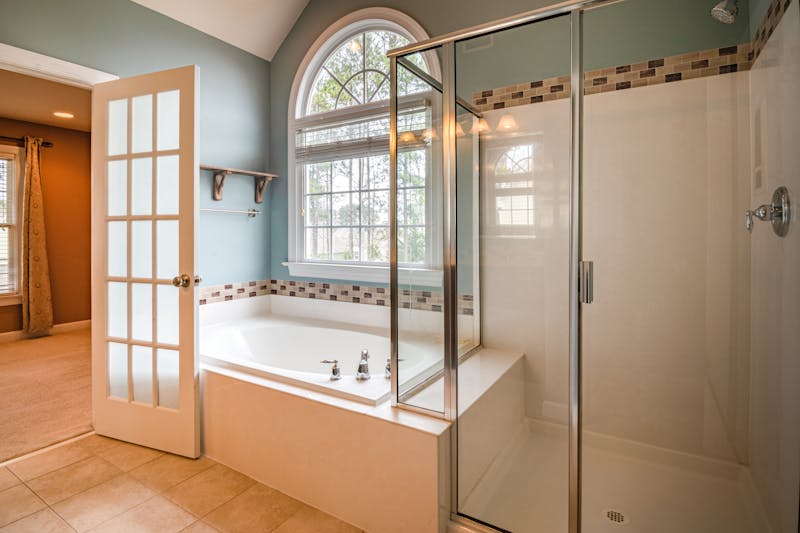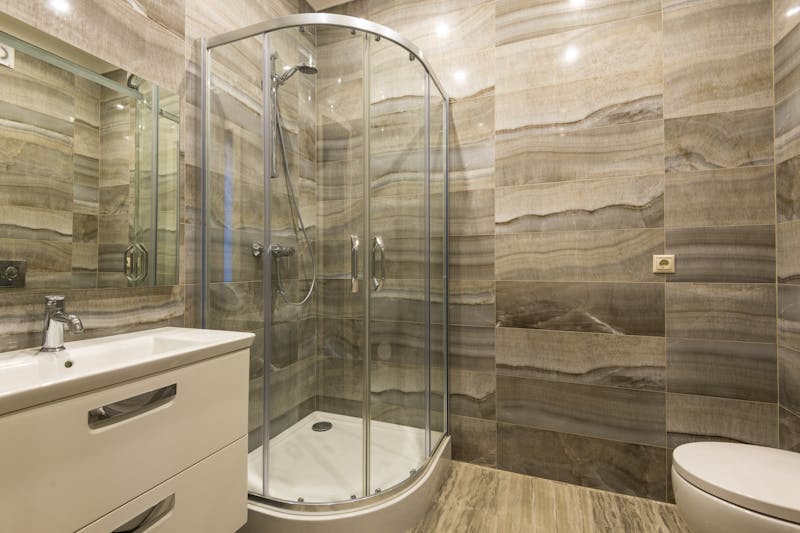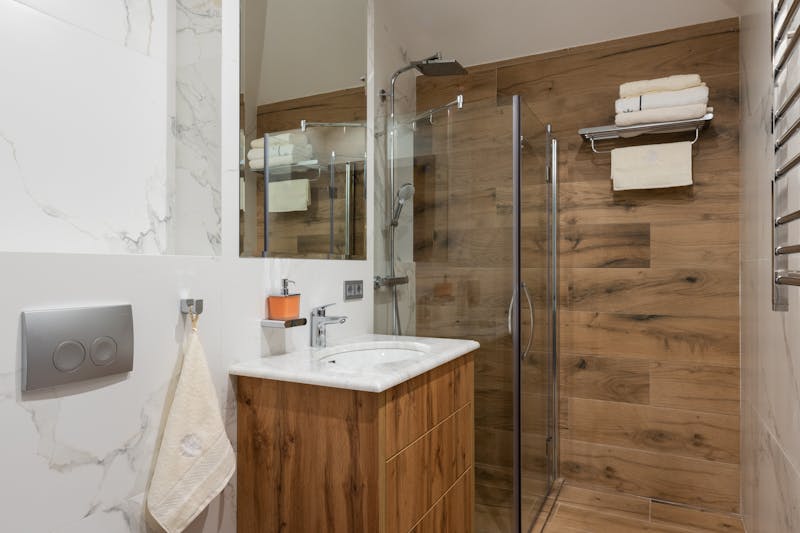
If you are considering replacing an old tub with a modern shower, one of the…
Walk In Showers vs Tubs: What Works Best for Your Lifestyle and Layout?
Choosing between a walk in shower vs tub is one of the biggest decisions in any bathroom renovation. Both options offer unique benefits, and the right choice depends on your lifestyle, bathroom layout, and plans.
Some homeowners prioritize a quick shower and modern style. Others value a good soak in a traditional bathtub at the end of a long day. There is no one-size-fits-all answer, but understanding the differences makes it easier to decide.
Let’s compare walk-in showers vs tubs across space, functionality, resale value, and installation factors.
Space Efficiency and Bathroom Layout
When evaluating walk-in shower vs tub options, space efficiency is often the first concern.
Walk-In Shower
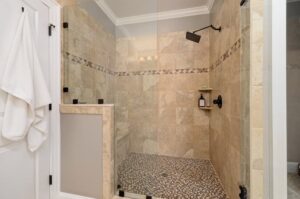
A walk-in shower is typically better for small bathrooms or narrower layouts. Because it eliminates the bulky tub wall, it can create more room and make the bathroom feel open.
Benefits include:
- More visible floor space
- Glass doors that reduce visual barriers
- Flexible sizing to accommodate smaller spaces
Walk-in showers are often easier to fit into tight layouts where every inch counts.
Standard Bathtub
A standard bathtub usually requires more space than a shower alone. In smaller spaces, a tub shower combo is often used to maximize functionality.
A tub shower combo allows:
- Space efficiency in guest bathrooms
- Flexibility for households with varied needs
In bathrooms with limited square footage, carefully planning the layout is essential to avoid crowding the room.
Daily Routine and Lifestyle Considerations
Your everyday routines play a major role in deciding between a walk-in shower vs tub.
If You Prefer a Quick Shower
For busy mornings and efficient routines, walk-in showers offer:
- Convenience
- Easy access
- Faster bathing solution
- Lower water use in many cases
Walk-in showers are especially appealing to homeowners who rarely use a bathtub.
If You Enjoy a Good Soak
If relaxation is important, a traditional bathtub offers therapeutic benefits and a spa-like experience.
A deep soaking tub allows:
- Stress relief
- Muscle relaxation
- Quiet downtime
For some homeowners, especially those who value bath rituals, a tub remains an essential feature.
Families, Small Children, and Guest Bathrooms
Household needs are another major factor.
Young Families
Families with small children often prefer at least one bathtub in the house. Bathing young children is typically easier in a tub than in a shower.
If your home only has one bathroom, keeping at least one bathtub may be important for family-friendly functionality and resale value.
Guest Bathrooms
In guest bathrooms, a tub-shower combo is common. It offers flexibility and accommodates different preferences.
However, in primary bathrooms, many homeowners opt for walk-in showers with modern features and elevated style.
Accessibility and Mobility Needs
Accessibility is increasingly important in modern bathroom design.
Walk-In Shower
Walk-in showers are often better for:
- Limited mobility
- Mobility issues
- Aging in place planning
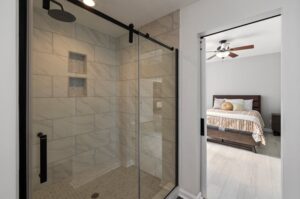
Features like grab bars, built-in benches, and low thresholds enhance safety and convenience.
Many walk-in tubs are also designed for accessibility, offering therapeutic benefits while accommodating mobility needs.
 Traditional Bathtub
A traditional bathtub can be challenging for those with limited mobility due to the higher step over the tub wall.
If accessibility is a concern, walk-in showers or specially designed walk-in tubs may be the safer option.
Installation Factors and Cost Considerations
Installation factors vary depending on the existing bathroom layout.
Converting to a Walk-In Shower
If replacing a bathtub with a walk-in shower, consider:
- Plumbing adjustments
- Shower base installation
- Glass doors and hardware
- Waterproofing requirements
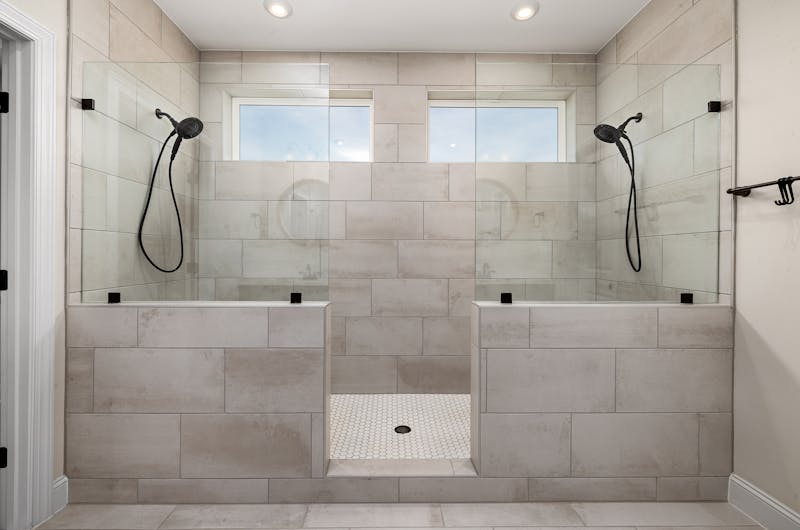
Custom walk-in showers with large-format tiles and built-in benches may increase cost but add modern appeal.
Installing a Bathtub
Installing a standard bathtub or walk-in tub may involve:
- Structural support adjustments
- Plumbing alignment
- Tub wall installation
- Faucet placement
Each option has its own set of installation factors and maintenance requirements.
Maintenance and Water Use
Maintenance requirements differ between tubs and showers.
Walk-In Showers
Walk-in showers:
- Are generally easier to clean
- Have fewer areas for water splashing
- Often use less water during a quick shower
Glass doors require regular cleaning to prevent buildup.
Bathtubs
Bathtubs may:
- Use more water per bath
- Require cleaning along the tub wall and edges
However, tubs have fewer exposed surfaces compared to tiled showers.
Modern Features and Design Appeal
In terms of style, walk-in showers often feel more contemporary.
Features that enhance walk-in showers include:
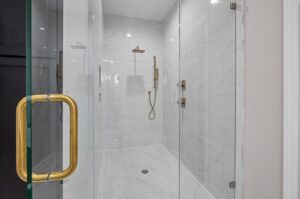
- Frameless glass doors
- Built-in benches
- Large format tiles
- Minimalist hardware
These elements create an elevated style and open feel.
Bathtubs, especially freestanding designs, can also become a focal point in a new bathroom.
Both options can be stylish depending on overall design preferences.
Resale Value and Future Plans
Resale value is often a deciding factor in the walk-in shower vs tub debate.
Real estate professionals frequently recommend keeping at least one bathtub in the house for young families and future buyers.
However, in many modern markets, especially those catering to adult homeowners, walk-in showers are highly desirable and can increase a home’s resale appeal.
If you have multiple bathrooms, converting one to a walk-in shower while keeping at least one bathtub offers balance.
How Much Space Do You Really Need?
When comparing walk-in showers vs tubs, consider how much space your bathroom can accommodate comfortably.
Ask yourself:
- Does the room feel cramped with a tub?
- Would removing the tub create more room?
- Do you need more space for storage or movement?
Careful planning ensures the final design is a perfect fit for your lifestyle and layout.
Making the Right Choice for Your Home
There is no universal answer when choosing between a walk-in shower vs tub.
The right choice depends on:
- Your daily routine
- Household needs
- Future plans
- Space limitations
- Design preferences
- Budget
Walk-in showers provide convenience, accessibility, and modern style. Bathtubs offer relaxation, family functionality, and therapeutic benefits.
In many cases, combining both in different bathrooms is the ideal solution.
 Final Thoughts on Walk In Shower vs Tub
Deciding between a walk-in shower vs tub requires balancing space, convenience, design, and resale considerations.
If you value speed and modern features, a walk-in shower may be the perfect fit. If relaxation and family-friendly functionality matter most, a traditional bathtub could be the right choice.
Understanding installation factors, mobility needs, and long-term goals will help you make an informed decision that fits your lifestyle.
With careful planning, either option can enhance your bathroom renovation and create a space that supports everyday life.
People Also Ask
Is a walk-in shower better than a bathtub?
It depends on lifestyle. Walk-in showers offer convenience and accessibility, while bathtubs provide relaxation and are often preferred by families with small children.
Does removing a bathtub hurt resale value?
It can, especially if the home no longer has at least one bathtub. Keeping at least one tub in the house is generally recommended for resale flexibility.
Are walk-in showers more modern than tubs?
Walk-in showers are often considered more modern due to clean lines, glass doors, and contemporary features.
Which option saves more space in a small bathroom?
Walk-in showers typically provide better space efficiency in smaller spaces compared to standard bathtubs.
Are walk-in tubs good for mobility issues?
Yes, walk-in tubs are designed to accommodate mobility needs and provide therapeutic benefits, making them a good option for certain households.
Related Posts