If you are planning a bathroom upgrade, one of the most common questions is simple…
Tub to Shower Conversion Cost in Austin: What Homeowners Should Expect
If you are considering replacing an old tub with a modern shower, one of the first questions that comes up is simple. What is the real tub to shower conversion cost?
For many Austin homeowners, converting a tub to a shower is one of the most practical home improvement projects. It can make a bathroom feel larger, improve accessibility, and create a more modern layout. But like any bathroom remodeling project, the total cost can vary depending on several factors.
In this guide, we will break down realistic cost ranges, what affects pricing, and how to plan your shower conversion without unexpected surprises.
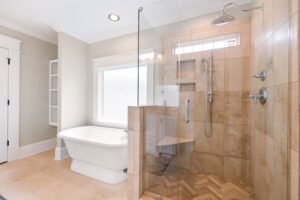 Average Tub to Shower Conversion Cost
The tub to shower conversion cost in Austin typically falls within a wide range, depending on the shower type, materials, and project complexity.
Here is what most homeowners can expect.
Budget-Friendly Option
A basic tub to shower conversion usually ranges from $6,000 to $10,000.
This typically includes:
- Removing the existing tub
- Installing a standard shower stall
- Prefabricated shower walls
- Basic shower fixtures
- Simple shower door
This option works well for homeowners who want a functional upgrade without custom features.
Mid Range Shower Conversion
A mid-range shower conversion generally falls between $10,000 and $18,000.
Common upgrades include:
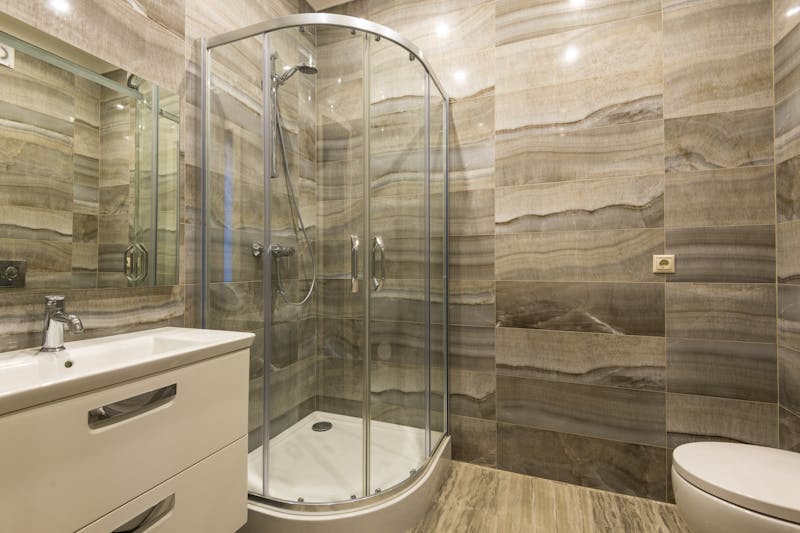
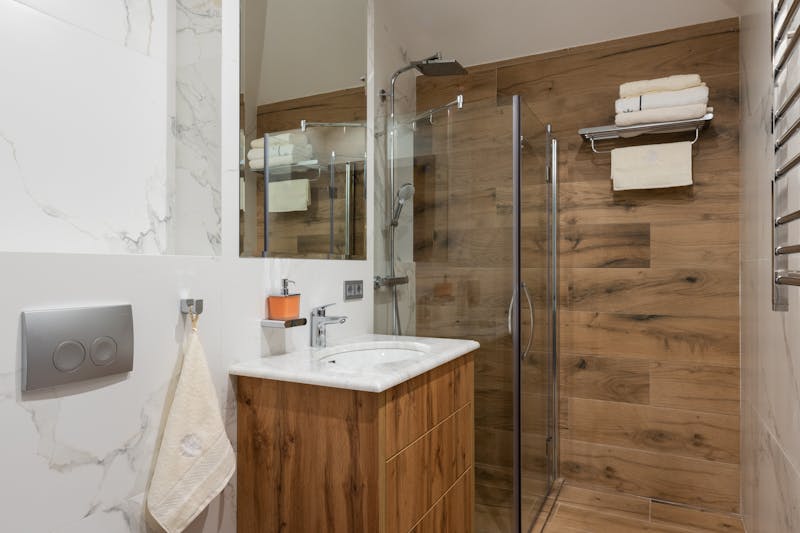
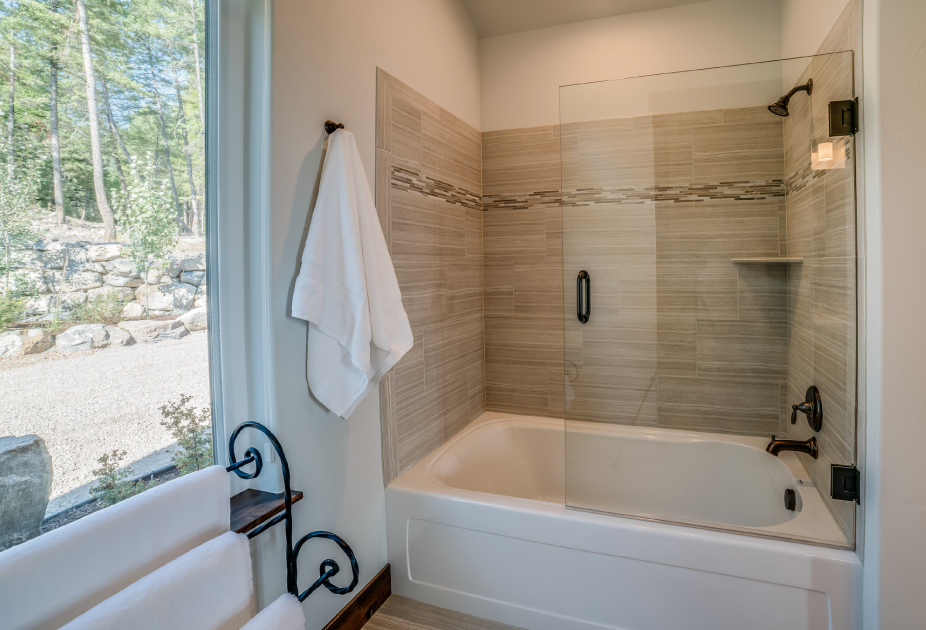
- Custom tile shower walls
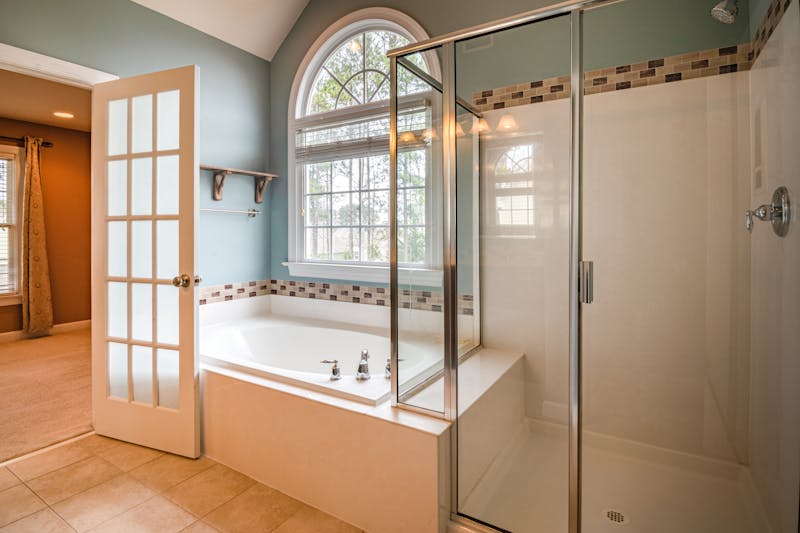
- A glass enclosure or upgraded shower door
- Built-in shelves or niches
- Modern shower fixtures
- Better shower materials
This is the most popular range for Austin homeowners looking for a balance between style and budget.
High End Shower Remodel
A luxury shower remodel can range from $18,000 to $30,000 or more.
These projects often include:
- Curbless shower designs
- Premium materials like natural stone or designer tile
- Thicker glass enclosures
- Custom layouts and a larger shower size
- Spa-like features and safety features
High end walk in showers are especially popular in modern bathroom remodeling projects and primary bathrooms.
 Key Factors That Affect Tub to Shower Conversion Cost
The total cost of converting a tub to a shower depends on several factors. Understanding these helps you avoid hidden costs and make informed decisions.
Shower Type and Design
The type of shower you choose has a major impact on cost.
Options include:
- Prefabricated shower stall
- Custom tile walk-in showers
- Curbless shower designs
- Low threshold showers for accessibility
A basic shower conversion will cost less, while custom designs increase labor and material costs.
Shower Materials
Material selection creates a huge range in pricing.
Budget materials:
- Acrylic panels
- Fiberglass walls
Premium materials:
- Custom tile
- Natural stone
- Designer finishes
Premium materials can create a spa-like feel, but they also increase the overall cost.
Glass Enclosure and Shower Door
Your shower door choice affects both appearance and budget.
Options include:
- Standard sliding shower door
- Frameless glass enclosure
- Thicker glass panels for durability
Frameless designs offer a modern look and boost home value, but they come at a higher price.
Plumbing and Existing Layout
If the conversion uses existing plumbing, the project will be more affordable.
Costs increase if the remodel requires:
- Moving plumbing lines
- Replacing corroded pipes
- Updating older plumbing systems
Older homes in Austin may require additional work to ensure proper drainage and prevent leaks.
Square Footage and Shower Size
Larger showers require more materials and labor.
Factors that influence price:
- Square footage
- Shower walls height
- Tile coverage
- Custom layouts
Expanding the shower size beyond the footprint of the existing tub can increase the project cost significantly.
Add-ons and Accessories
Many homeowners choose to include upgrades that enhance usability and comfort.
Popular add-ons:
- Grab bars and safety features
- Built-in shelves
- Shower benches
- Luxury shower accessories
- Upgraded lighting
These features add convenience, especially for older adults or homeowners planning for long-term accessibility.
Hidden Costs to Watch For
One of the most important parts of planning a tub-to-shower conversion is understanding potential hidden costs.
These can include:
- Subfloor repairs
- Water damage behind the old tub
- Plumbing upgrades
- Structural reinforcement
- Waterproofing improvements
A professional contractor will evaluate these risks before starting the project, helping you avoid surprises later.
Tub to Shower Conversion and Home Value
Many homeowners ask whether converting a bathtub to a shower affects resale value.
The answer depends on your home and your market.
In many Austin neighborhoods, walk-in showers are highly desirable, especially in primary bathrooms. They offer a modern look and appeal to buyers who prefer sleek, low-maintenance designs.
However, removing the only bathtub in a house may impact potential buyers with young families. Many buyers still value having at least one tub in the home.
If your house has multiple bathrooms, converting one tub to a shower can actually improve your home’s resale and increase overall home value.
Why Many Austin Homeowners Choose Shower Conversions
Tub to shower conversions are one of the most common bathroom remodeling upgrades, and for good reason.
Here is why most homeowners choose this conversion.
Better Use of Space
A new shower often makes the bathroom feel larger and more open, especially in smaller layouts.
Improved Accessibility
Low threshold and curbless shower designs are ideal for:
- Older adults
- Homeowners with mobility challenges
- Aging in place planning
Safety features like grab bars and slip-resistant flooring add peace of mind.
Modern Aesthetic
Walk-in showers with glass enclosures create a clean, contemporary look that fits modern homes.
Easier Maintenance
Showers are often easier to clean than traditional bathtubs, especially with modern materials designed to prevent mold and mildew buildup.
How to Budget for a Tub to Shower Conversion
Planning your budget early helps ensure your project stays on track.
Here is a simple approach.
Start With Your Goals
Decide what matters most:
- Budget-friendly upgrade
- Spa-like feel
- Accessibility features
- Design-driven remodel
Knowing your priorities helps guide material and design decisions.
Understand Cost Ranges
Most homeowners fall into one of these cost ranges:
- Basic conversion under $10,000
- Mid-range shower remodel costs around $12,000 to $18,000
- High-end custom shower above $20,000
Understanding where you fall helps you plan more confidently.
Leave Room for Flexibility
It is smart to set aside a contingency buffer for unexpected issues, especially in older homes where plumbing or water damage may be discovered during demolition.
Choose the Right Contractor
Hiring a professional contractor ensures the shower is properly installed with correct waterproofing and drainage.
Professional installation helps:
- Prevent leaks
- Extend longevity
- Protect your investment
Choosing the right contractor can save thousands in repairs over the long run.
 Is a Tub to Shower Conversion the Right Choice?
For many homeowners, converting a tub to a shower makes sense both functionally and financially.
It is often the right choice if:
- You rarely use your bathtub
- You want a more modern bathroom
- Accessibility is becoming a priority
- You want to improve daily usability
It may not be ideal if your home only has one bathtub and you are concerned about resale value.
Evaluating how the change fits your lifestyle and your house layout is key.
Final Thoughts on Tub to Shower Conversion Cost
The tub to shower conversion cost in Austin can vary widely, but understanding the key factors makes planning much easier.
From shower materials and glass enclosures to plumbing and layout considerations, every decision influences the final cost. Taking time to evaluate your goals, budget, and long-term needs helps ensure your shower conversion delivers lasting value.
For Austin homeowners, a well-planned tub-to-shower conversion is more than a cosmetic update. It is an investment in comfort, accessibility, and modern living. When done thoughtfully, it can improve both daily routines and your home’s resale appeal while creating a bathroom that better fits your lifestyle.
People Also Ask
How long does a tub to shower conversion take?
Most tub to shower conversions take about 2 to 5 days once construction begins. More complex shower remodel projects with custom tile or plumbing changes may take longer, depending on the project’s complexity.
Is converting a tub to a shower cheaper than a full bathroom remodel?
Yes, a tub to shower conversion is usually more affordable than a complete bathroom remodeling project. Since the work focuses on one area, labor and material costs are lower than for a full renovation.
Does converting a tub to a shower add value to a home?
In many cases, yes. Modern walk-in showers are attractive to many buyers and can increase home value, especially in primary bathrooms. However, keeping at least one bathtub in the house is often recommended for resale balance.
Can I convert a tub to a walk in shower in a small bathroom?
Yes, many homeowners convert a tub to a walk-in shower even in small spaces. Choosing the right shower size, layout, and glass enclosure can help maximize space and improve functionality.
Do I need a permit for a tub to shower conversion in Austin?
Permits may be required if the conversion involves plumbing changes or structural modifications. A professional contractor can help determine local requirements and ensure the project meets building codes.
Related Posts