Cheapest Way to Add a Shower: What You Need to Know If you're looking for…
What to Avoid When Renovating a Bathroom: 10 Common Mistakes Homeowners Make
What to Avoid When Renovating a Bathroom
If you’re planning a bathroom renovation, knowing what to avoid when renovating a bathroom can save you time, money, and frustration. Many homeowners focus on finishes and design, but overlook the common pitfalls that lead to costly repairs and disappointing results.
At Sand & Sons Bathroom Remodeling, we’ve helped countless homeowners fix common bathroom remodeling mistakes—from poor planning to serious plumbing issues. Whether you’re updating a master bath, upgrading a small space, or creating your dream bathroom, avoiding these mistakes is key to getting the most value from your investment.
If you’re in the planning phase, call (737) 234-9289 to get expert advice before your project begins.
 Poor Planning: The #1 Bathroom Remodeling Mistake
One of the most common mistakes in any bathroom remodel is poor planning.
Many homeowners jump into demolition without a solid plan or a detailed plan in place. This often leads to:
- Cost overruns
- Delays
- Design inconsistencies
What You Should Do Instead
- Create a detailed plan during the planning phase
- Consider your current lifestyle and long-term needs
- Work with experienced professionals or interior designers
A well-thought-out plan ensures your new space is functional, efficient, and aligned with your goals.
Choosing the Wrong Materials for High-Moisture Environments
Bathrooms are high-moisture environments, so choosing the wrong materials can lead to long-term problems like mold growth, peeling paint, and water damage.
Common Material Mistakes
- Using non-moisture-resistant drywall
- Choosing porous tile with weak grout lines
- Installing low-quality finishes that wear quickly
Better Options
- Porcelain tile or ceramic tile for durability
- Moisture-resistant drywall
- Solid surface countertops
Using quality materials ensures your bathroom lasts longer and maintains its appearance over time.
Ignoring Storage Space and Functionality
A beautiful bathroom isn’t useful without enough storage space.
Many homeowners forget to plan for:
- Cleaning supplies
- Towel bars and linen closet space
- Recessed medicine cabinets
Smart Storage Solutions
- Built-in cabinets and shelving
- Recessed medicine cabinets
- Hidden storage in vanities
A functional bathroom design balances aesthetics with practicality.
 Overlooking Proper Ventilation and Moisture Control
Poor ventilation is one of the leading causes of mildew growth and structural damage in bathrooms.
Without proper airflow, you may experience:
- Mold growth
- Peeling paint
- Lingering humidity
What to Include
- A high-quality exhaust fan
- Proper ventilation placement
- Moisture-resistant materials
Good ventilation protects your investment and improves air quality.
Bad Lighting Choices That Ruin Bathroom Design
Lighting plays a huge role in your bathroom design, yet it’s often overlooked.
Common Lighting Mistakes
- Relying on a single overhead light
- Poor placement of light fixtures
- Ignoring task lighting for applying makeup
Better Lighting Strategy
- Combine ambient, task, and accent lighting
- Install proper light fixtures near mirrors
- Add accent lighting for style
Good lighting transforms your bathroom into a functional and inviting space.
Underestimating the Budget and Hidden Costs
One of the biggest common bathroom remodeling mistakes is underestimating the budget.
Unexpected expenses can come from:
- Plumbing issues
- Structural damage
- Upgrading outdated systems
Budgeting Tips
- Set aside contingency funds (10–20%)
- Plan for hidden costs early
- Avoid cutting corners on important elements
A realistic budget helps you avoid stress and keep your project on track.
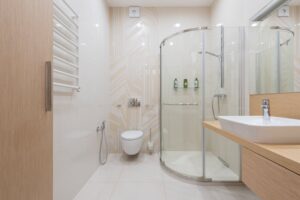
Layout Mistakes in Small Bathrooms
Designing small bathrooms requires careful planning to maximize space.
Common Layout Mistakes
- Not allowing enough clearance around fixtures
- Poor placement of the toilet or shower
- Lack of easy access
Smart Design Tips
- Use a walk-in shower to save space
- Install recessed storage
- Consider universal design principles like wider doorways and grab bars
A well-designed layout improves both comfort and functionality.
 Ignoring Plumbing Issues and Structural Problems
Many homeowners focus on aesthetics and overlook serious plumbing issues or structural concerns.
Warning Signs
- Water damage behind walls
- Old or corroded pipes
- Uneven flooring
Ignoring these problems can lead to expensive repairs later. Always address plumbing and structural issues during your bathroom renovation.
Following Trends Instead of Long-Term Value
While current trends can be appealing, they don’t always offer the most value.
Trend-Related Mistakes
- Choosing overly trendy tile styles
- Ignoring future buyers’ preferences
- Sacrificing function for style
Focus on Timeless Design
- Neutral color palettes
- Durable materials
- Practical layouts
A timeless design improves resale value and ensures your bathroom remains functional for years.
Skipping Professional Help
Trying to handle a remodel without experienced professionals can lead to serious problems.
Risks of DIY or Inexperienced Work
- Plumbing errors
- Poor tile work
- Safety issues
Working with experts like Sand & Sons Bathroom Remodeling ensures your project is completed correctly, efficiently, and up to code.
If you want to avoid costly mistakes, call (737) 234-9289 for a free consultation.
Additional Expert Tips: Avoiding Costly Bathroom Renovation Mistakes
A successful bathroom renovation goes beyond design—it requires smart decisions around materials, ventilation, planning, and safety. These additional insights will help homeowners avoid common bathroom remodeling mistakes and ensure their new bathroom performs well for years to come.
Choosing the Right Materials for Long-Term Durability
One of the biggest mistakes homeowners make when deciding what to avoid when renovating a bathroom is choosing materials that aren’t suited for humid environments.
Bathrooms are constantly exposed to moisture, heat, and daily wear. Using the wrong materials can lead to:
- Peeling paint
- Warped surfaces
- Damaged finishes
- Frequent repairs
What to Look For in Materials
- Materials specifically designed for high moisture environments
- Durable options like porcelain tile, ceramic tile, or solid surface countertops
- Finishes that resist water, stains, and daily use
It’s also important to avoid materials that react to harsh chemicals found in soaps, lotions, or cleaning products. Over time, these reactions can cause discoloration and surface damage.
Investing in quality materials may cost more upfront, but it saves money in the long run by reducing maintenance and replacement costs.
Why Proper Ventilation Is Non-Negotiable
Poor ventilation is one of the most overlooked yet critical issues in a bathroom remodel. Without proper airflow, moisture becomes trapped, leading to mold growth, mildew, and long-term structural damage.
Ventilation Requirements in Austin
- Bathrooms must have either a window or a mechanical ventilation system
- Exhaust systems must vent to the exterior—not the attic
- The EPA recommends at least 50 CFM for standard bathroom ventilation fans
Benefits of Proper Ventilation
- Removes moisture and prevents mold growth
- Eliminates odors and airborne particles
- Protects walls, flooring, and fixtures from damage
Installing a properly sized exhaust fan is essential. A high-quality system ensures your bathroom stays clean, dry, and healthy—especially in humid conditions.
 The Importance of a Solid Plan Before You Start
Another major common bathroom remodeling mistake is jumping into construction without a clear plan.
A successful bathroom renovation should always begin with a solid plan that includes:
- A realistic timeline
- A detailed budget
- Material selection and design choices
Without proper planning, homeowners often face:
- Delays
- Cost overruns
- Workflow disruptions
Planning ensures that your bathroom remodeling project runs smoothly and delivers the results you expect.
Budgeting Smart: Avoiding Cost Overruns
Underestimating costs is one of the most common pitfalls in any bathroom remodel.
To avoid this, homeowners should create a detailed budget breakdown that includes:
- Labor costs
- Materials and fixtures
- Permits and inspections
- Contingency funds
Why Contingency Funds Matter
Unexpected issues—like hidden plumbing problems or water damage—can arise during renovations.
Experts recommend setting aside 15–20% of your total budget for these surprises. This helps you stay on track financially and avoid stress during the project.
Lighting Design: More Important Than You Think
Lighting is often overlooked in bathroom design, but it plays a critical role in how the space looks and functions.
Even with high-end fixtures, poor lighting can make your bathroom feel:
- Dark
- Cramped
- Uninviting
Smart Lighting Tips
- Use layered lighting (ambient, task, and accent lighting)
- Install proper light fixtures near mirrors
- Add accent lighting to highlight design features
Good lighting enhances your new space and ensures it feels bright, functional, and comfortable.
Maximizing Space in Small Bathrooms
Designing small bathrooms requires smart use of space to avoid clutter and improve functionality.
Space-Saving Strategies
- Utilize vertical space with tall cabinets
- Install built-in storage or recessed shelves
- Add a linen closet or hidden storage where possible
Creating enough storage space helps keep your bathroom organized and visually appealing.
Understanding Local Building Codes and Permits
Ignoring local codes is a major mistake when planning a bathroom renovation.
Austin Building Code Requirements
- Permits are required for structural, plumbing, or electrical changes
- GFCI protection is required within 6 feet of water sources
- Minimum bathroom size for half-baths is 30 square feet
These regulations are in place to ensure safety and proper functionality. Working with experienced professionals ensures your remodel meets all local requirements.
Final Thoughts: Plan Smart, Build Better
Avoiding common bathroom remodeling mistakes comes down to proper planning, smart material choices, and attention to detail.
To create a successful bathroom remodel:
- Choose moisture-resistant, durable materials
- Invest in proper ventilation
- Plan your layout and budget carefully
- Follow local building codes
- Work with experienced professionals
By focusing on these key areas, homeowners can avoid costly issues and create a bathroom that is functional, beautiful, and built to last for years to come.
Get a Free Consultation from Sand & Sons Bathroom Remodeling
Planning a bathroom remodel doesn’t have to be overwhelming—especially when you know what to avoid when renovating a bathroom.
At Sand & Sons Bathroom Remodeling, we help homeowners create functional, beautiful bathrooms while avoiding costly mistakes.
We offer:
- Expert planning and design guidance
- High-quality materials and craftsmanship
- Transparent pricing and realistic timelines
Call (737) 234-9289 today to schedule your free consultation.
Let’s turn your outdated space into a bathroom that’s built to last—and designed the right way from the start.
FAQs About Bathroom Renovation Mistakes
Poor planning is the most common issue, leading to delays, budget overruns, and design problems.
Avoid materials that aren’t moisture-resistant, as they can lead to mold and damage.
Yes, hiring professionals helps prevent costly mistakes and ensures proper installation.
Focus on quality materials, functional layout, and timeless design elements.
Related Posts